Green Vegetables
Green Vegetables: Nature’s Nutrient
Powerhouses for Vibrant Health and Energy
Meta Description (SEO):
Discover why green vegetables are nature’s nutrient powerhouses. Learn about their health benefits, top varieties, and how to add more greens to your diet for energy, detox, and glowing wellness.
Introduction: The Power of Going Green
When it comes to foods that nourish, energize, and protect the body, green vegetables stand at the top of the list. From crunchy kale and refreshing cucumbers to vibrant broccoli and nutrient-dense spinach, these natural wonders pack an incredible punch of vitamins, minerals, and antioxidants.
In our fast-paced, processed-food world, green vegetables are like a daily dose of vitality — nature’s multivitamin that fuels our bodies and minds. Whether your goal is to lose weight, boost immunity, or age gracefully, greens are your secret weapon.
In this guide, we’ll dive deep into why green vegetables are called “nature’s nutrient powerhouses”, the science behind their benefits, and how to make them a delicious part of your daily routine.
What Makes Green Vegetables So Special?
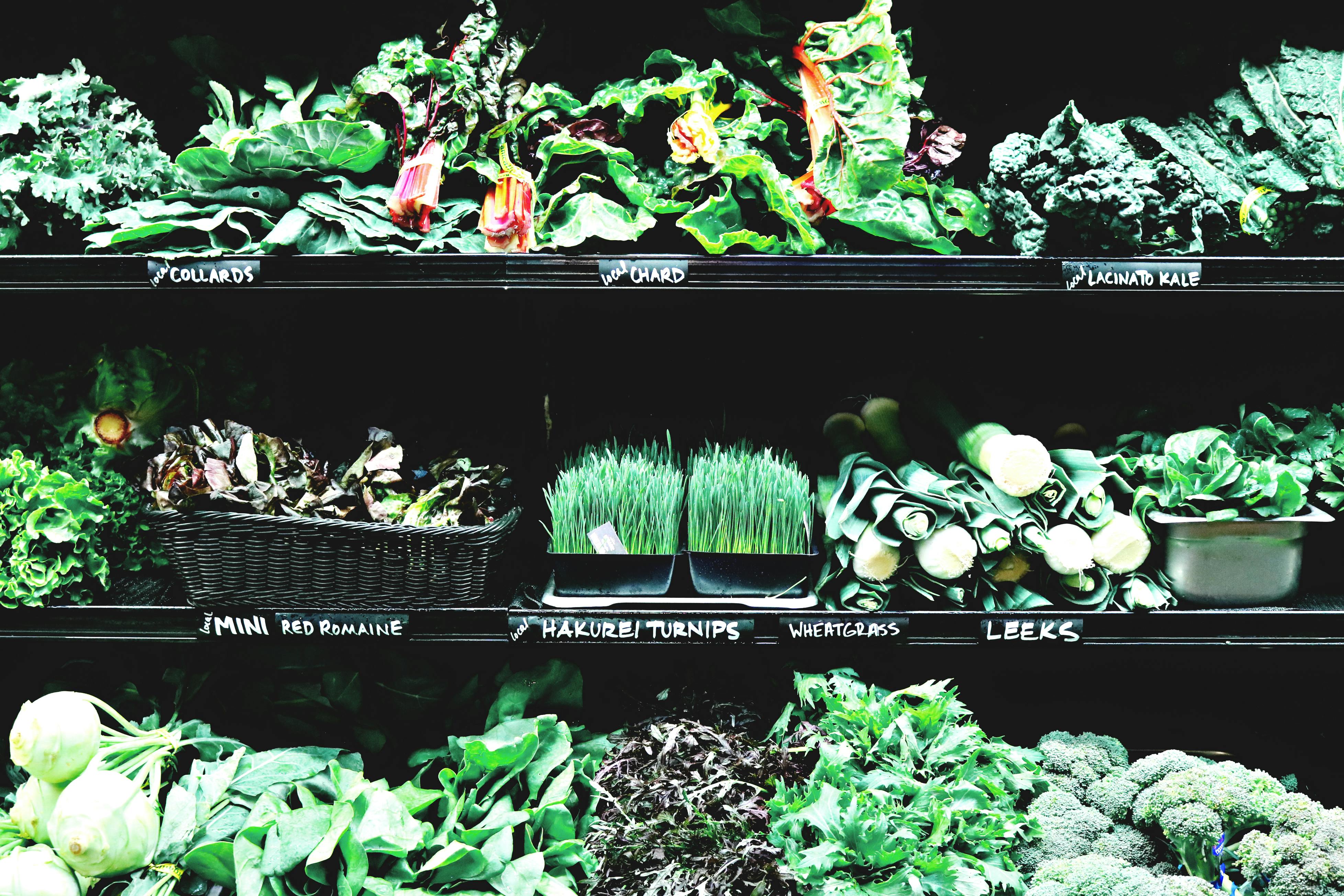
Green vegetables are more than just colorful side dishes — they’re biological marvels. Their deep green hues come from chlorophyll, the pigment that helps plants convert sunlight into energy. Chlorophyll isn’t just good for plants; it’s also a potent detoxifier and blood builder for humans.
Key Nutrients Found in Green Vegetables:
-
Vitamin A – Supports vision, immunity, and skin health.
-
Vitamin C – A powerful antioxidant that boosts immunity and collagen production.
-
Vitamin K – Essential for bone strength and proper blood clotting.
-
Folate (Vitamin B9) – Crucial for DNA repair and cell growth.
-
Iron – Helps in oxygen transport and prevents fatigue.
-
Calcium – Important for bone and muscle health.
-
Magnesium – Regulates over 300 enzyme reactions, including energy production.
-
Fiber – Supports digestion, heart health, and weight management.
-
Antioxidants – Protect against free radicals and chronic diseases.
Each leaf, stalk, or floret offers a unique combination of these nutrients. That’s why nutritionists recommend “eating the rainbow”, with green foods being especially vital.
The Top Green Vegetables and Their Unique Benefits
Let’s break down the best green vegetables you can add to your diet and what makes each one a superfood in its own right.
1. Spinach: The Classic Iron Hero
Spinach is one of the most nutrient-dense greens available. A single cup is loaded with vitamins A, C, and K, folate, and iron.
Health Benefits:
-
Strengthens bones and muscles
-
Boosts red blood cell production
-
Enhances eye health (rich in lutein and zeaxanthin)
-
Supports heart and brain function
Pro Tip: Pair spinach with vitamin C-rich foods (like citrus or tomatoes) to boost iron absorption.
2. Kale: The King of Supergreens
Kale has earned its reputation as a wellness staple — and for good reason. It’s one of the most nutrient-dense foods on Earth.
Health Benefits:
-
Loaded with antioxidants like quercetin and kaempferol
-
Promotes detoxification and liver health
-
Strengthens immunity
-
High in fiber for digestive health
Ways to Enjoy: Try kale chips, smoothies, or sautéed with garlic and olive oil.
3. Broccoli: The Detox Defender
Broccoli belongs to the cruciferous family (which also includes cauliflower and Brussels sprouts). It’s rich in sulforaphane, a compound known to support the body’s natural detox pathways and reduce inflammation.
Health Benefits:
-
Supports liver function and detoxification
-
Fights inflammation and oxidative stress
-
Helps regulate blood sugar levels
-
Promotes healthy digestion
Fun Fact: Lightly steaming broccoli preserves more nutrients than boiling.
4. Cabbage: The Gut-Healing Green
Cabbage is packed with fiber, vitamins C and K, and unique plant compounds that support gut and immune health.
Health Benefits:
-
Improves digestion
-
Reduces inflammation
-
Strengthens immunity
-
Aids in weight management
Try This: Ferment cabbage into sauerkraut or kimchi for added probiotics and gut-friendly bacteria.
5. Brussels Sprouts: Mini Detox Machines
These mini cabbages are rich in glucosinolates — compounds linked to cancer prevention and hormone balance.
Health Benefits:
-
Supports hormone detoxification
-
Boosts immune response
-
Protects DNA from damage
-
Enhances heart health
Best Served: Roasted with olive oil, garlic, and a squeeze of lemon.
6. Collard Greens: Southern Nutrition Staple
Collard greens are packed with calcium, folate, and vitamin K, making them incredible for bone health.
Health Benefits:
-
Supports strong bones
-
Aids in cholesterol regulation
-
Promotes liver detox
-
Provides steady energy
Tip: Steam or sauté them gently — avoid overcooking to retain nutrients.
7. Swiss Chard: The Colorful Energy Booster
This leafy green comes with bright stems that are as nutritious as the leaves. It’s rich in magnesium, potassium, and iron.
Health Benefits:
-
Regulates blood pressure
-
Balances electrolytes
-
Boosts endurance and stamina
-
Aids in muscle recovery
Tasty Idea: Add to omelets or soups for a colorful nutrient boost.
8. Green Peas: The Protein-Packed Veggie
Often underestimated, green peas are rich in plant-based protein and fiber, making them great for weight management.
Health Benefits:
-
Promotes satiety and muscle repair
-
Regulates blood sugar levels
-
Improves digestion
-
Supports cardiovascular health
Pro Tip: Combine peas with rice or quinoa for a complete protein source.
9. Asparagus: The Spring Cleanser
Asparagus is known for its detoxifying properties thanks to its high levels of folate and glutathione, a master antioxidant.
Health Benefits:
-
Flushes toxins
-
Supports fertility and DNA synthesis
-
Promotes radiant skin
-
Aids in liver health
Serving Suggestion: Grill asparagus with lemon zest and olive oil for a refreshing side dish.
10. Cucumber: The Hydration Hero
With over 95% water content, cucumbers are excellent for hydration, skin health, and gentle detoxification.
Health Benefits:
-
Keeps you hydrated
-
Supports weight loss
-
Promotes clear, glowing skin
-
Reduces puffiness and inflammation
Easy Fix: Add cucumber slices to water or salads for a refreshing crunch.
The Science Behind Green Vegetables and Health
Green vegetables work on a cellular level to enhance your health. Let’s explore how:
1. Detoxification and Liver Health
Chlorophyll and sulfur compounds in greens help the liver flush out toxins, neutralizing harmful chemicals and improving digestion.
2. Anti-Aging Properties
Antioxidants like vitamin C, beta-carotene, and polyphenols protect your skin from oxidative stress and support collagen synthesis — keeping you youthful and radiant.
3. Improved Digestion and Gut Health
Fiber acts as a natural cleanser for your digestive system. It promotes healthy bowel movements and feeds good gut bacteria.
4. Heart and Circulatory Health
Nitrates found in leafy greens improve blood flow and reduce blood pressure. Regular intake of greens can cut your risk of cardiovascular disease.
5. Stronger Immunity
Vitamins C and A work together to strengthen immune defenses, while zinc and magnesium support white blood cell function.
6. Enhanced Energy and Mental Clarity
The iron and magnesium in greens boost oxygen delivery to cells, improving energy levels, focus, and productivity.
How to Add More Green Vegetables to Your Diet
Even if you’re not a big fan of greens, there are countless ways to sneak them into your meals — and love them!
1. Start Your Day Green
Blend spinach or kale into your morning smoothie with banana, pineapple, and almond milk. You’ll barely taste the greens, but you’ll feel the difference.
2. Make Salads Exciting
Mix different textures and colors: arugula, cucumber, avocado, and roasted chickpeas with a lemon-tahini dressing.
3. Swap Pasta for Veggies
Try zucchini noodles (“zoodles”) or broccoli rice for a low-carb, high-fiber twist.
4. Go Green with Soups and Stews
Add spinach, peas, or kale to soups, stews, or curries for an instant nutrient upgrade.
5. Snack Smart
Try crispy kale chips or celery sticks with hummus instead of processed snacks.
6. Add Greens to Everything
Toss a handful of spinach into scrambled eggs, sandwiches, wraps, or even pizza toppings.
Green Juices and Smoothies: Liquid Nutrition Boost
If eating greens feels like a chore, drink them! Green juices and smoothies are excellent ways to absorb nutrients quickly.
Green Smoothie Recipe:
Ingredients:
-
1 cup spinach
-
½ cup kale
-
1 banana
-
½ green apple
-
1 cup coconut water
-
1 tablespoon chia seeds
Directions: Blend until smooth and enjoy a burst of energy!
Tip: Juices give you fast absorption, while smoothies retain fiber — choose based on your needs.
Green Vegetables and Disease Prevention
Numerous studies link green vegetable intake with a lower risk of chronic diseases. Here’s how:
-
Heart Disease: Leafy greens reduce LDL cholesterol and improve arterial flexibility.
-
Cancer: Sulforaphane and indoles in broccoli and kale inhibit cancer cell growth.
-
Diabetes: Greens slow down sugar absorption and stabilize blood glucose levels.
-
Obesity: Low in calories but high in fiber, they help maintain a healthy weight.
-
Eye Diseases: Lutein and zeaxanthin protect against macular degeneration.
Eating greens daily isn’t just healthy — it’s preventive medicine.
Sustainability and Environmental Impact
Choosing more plant-based foods, especially green vegetables, benefits both you and the planet. They require fewer resources to produce than animal-based foods and help reduce your carbon footprint.
Eco Tip: Buy local, organic greens when possible. Support small farmers and enjoy fresher, nutrient-rich produce.
Common Myths About Green Vegetables (Busted!)
Myth 1: “You can get all nutrients from supplements.”
W
hole greens provide complex nutrients, fiber, and phytochemicals that supplements can’t replicate.
Myth 2: “Greens are boring.” Try exotic varieties like bok choy, mustard greens, or microgreens for
new textures and flavors.
Myth 3: “Cooking kills all nutrients.”
Light steaming or sautéing actually makes some nutrients (like carotenoids) more absorbable.
The Mind-Body Connection: Greens and Emotional Well-being
Recent research shows that people who eat more green vegetables report greater happiness and lower stress levels. Magnesium helps calm the nervous system, while folate supports serotonin production — the “feel-good” hormone.
Eating greens doesn’t just make your body thrive; it makes your mind flourish too.
Conclusion: Eat Green, Live Clean, Stay Lean
Green vegetables truly are nature’s nutrient powerhouses — rich, vibrant, and life-giving. They detoxify your body, strengthen your immune system, fuel your brain, and protect you from disease.
Adding just a few servings of greens each day can transform your health, energy, and overall vitality. Whether you eat them raw, steamed, sautéed, or blended, your body will thank you for the green goodness.
So next time you’re at the grocery store or farmer’s market, go green and glow — because true wellness begins on your plate.


Comments
Post a Comment
We'd love to hear your thoughts! Please keep your comments respectful and on-topic. Your feedback helps us grow and connect with readers like you. ✨
All comments are moderated before publishing.